"The Chaobai River competition explored how river restoration, flood resilience and urban development could become part of one integrated landscape system. Leading the project as Project Manager and Lead Landscape Designer at Ramboll Studio Dreiseitl provided the opportunity to develop a large-scale ecological vision in which water became the primary framework for nature, public life and future metropolitan growth."
Restoring the Chaobai River
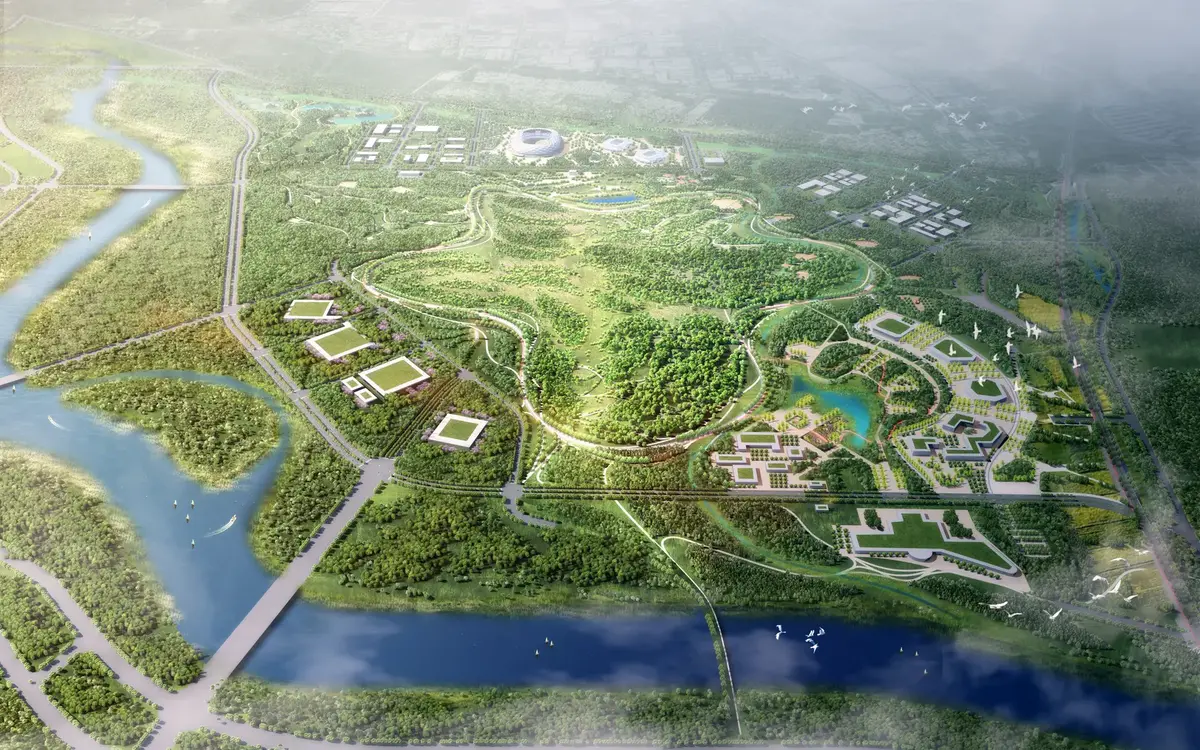
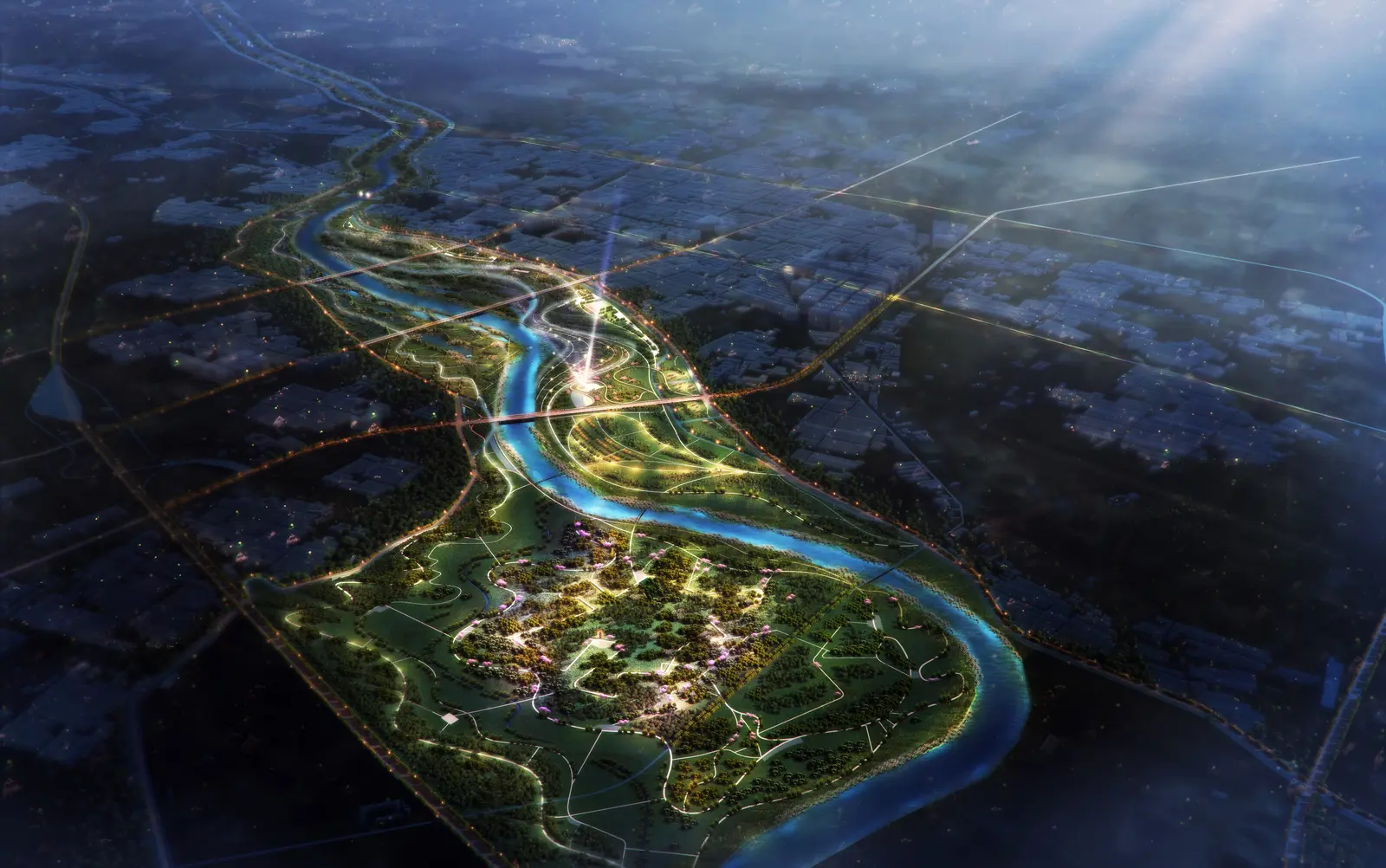
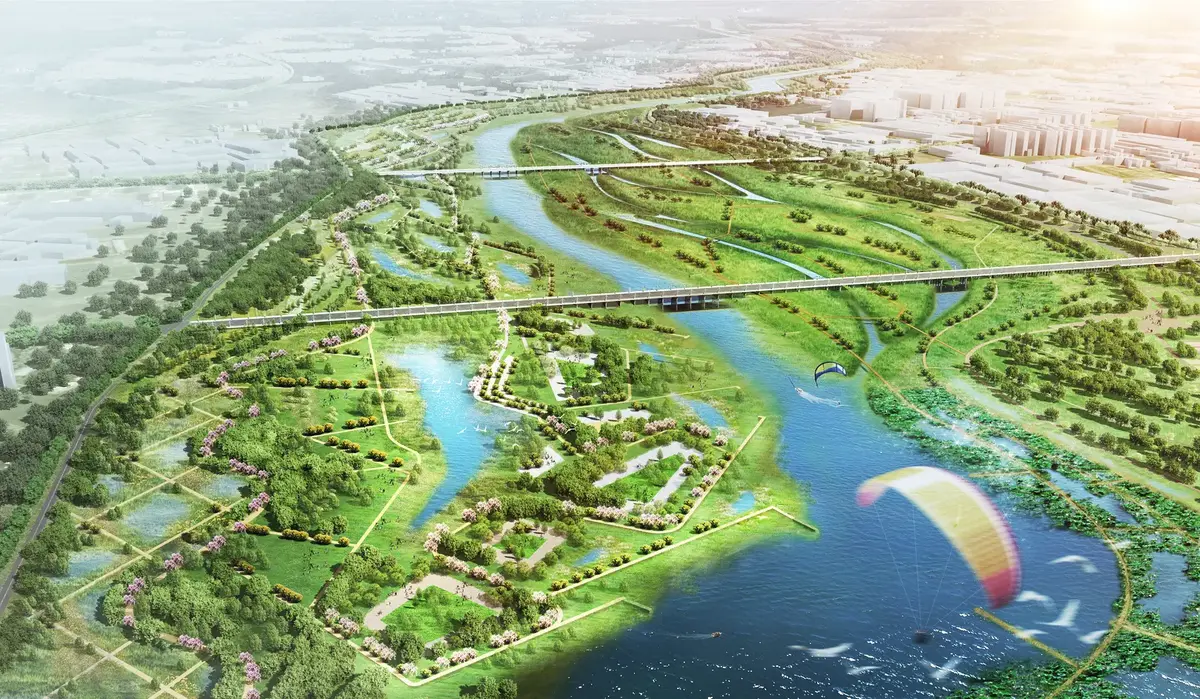
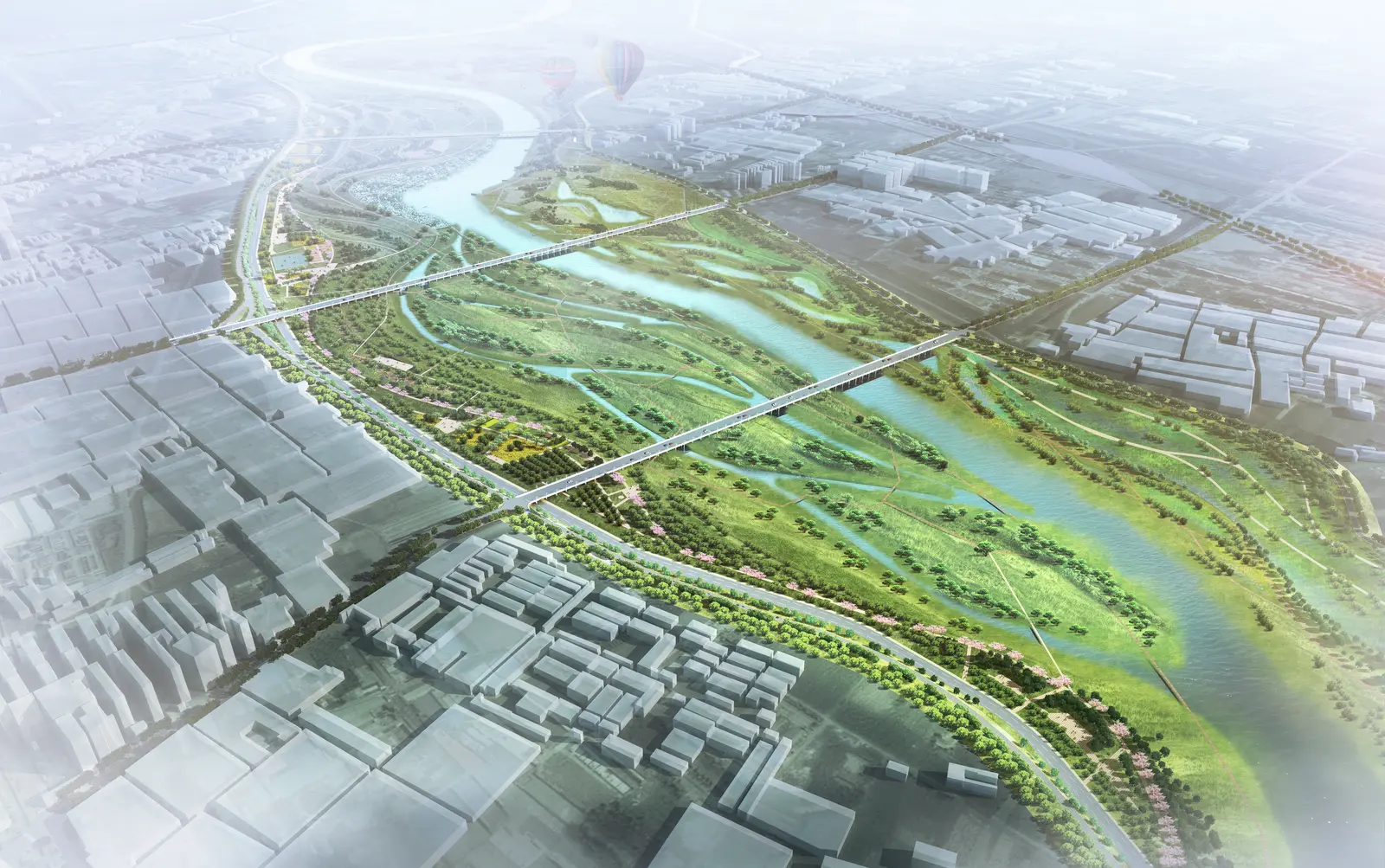
The international competition for the Chaobai River (Xianghe Section) proposed the transformation of more than 800 hectares of degraded river corridor into a new ecological landscape connecting the Beijing–Tianjin metropolitan region.
Located within one of China's fastest-growing development corridors, the project addressed the increasing pressures of urbanisation, declining ecological quality and flood risk while establishing a new identity for Xianghe as a city centred around water, biodiversity and healthy public space.
Rather than treating flood management, ecological restoration and recreation as separate disciplines, the proposal integrated them into one landscape strategy capable of supporting long-term environmental resilience and urban growth.
The proposal was awarded First Prize.
Designing with Water
The design was guided by a simple but powerful relationship between People, Water and Nature, represented through an interconnected landscape structure that allows ecological systems and urban life to reinforce one another.
Instead of engineering the river as a single piece of infrastructure, the proposal restored the river corridor as a living landscape capable of supporting biodiversity, improving water quality, creating public space and accommodating future flood events.
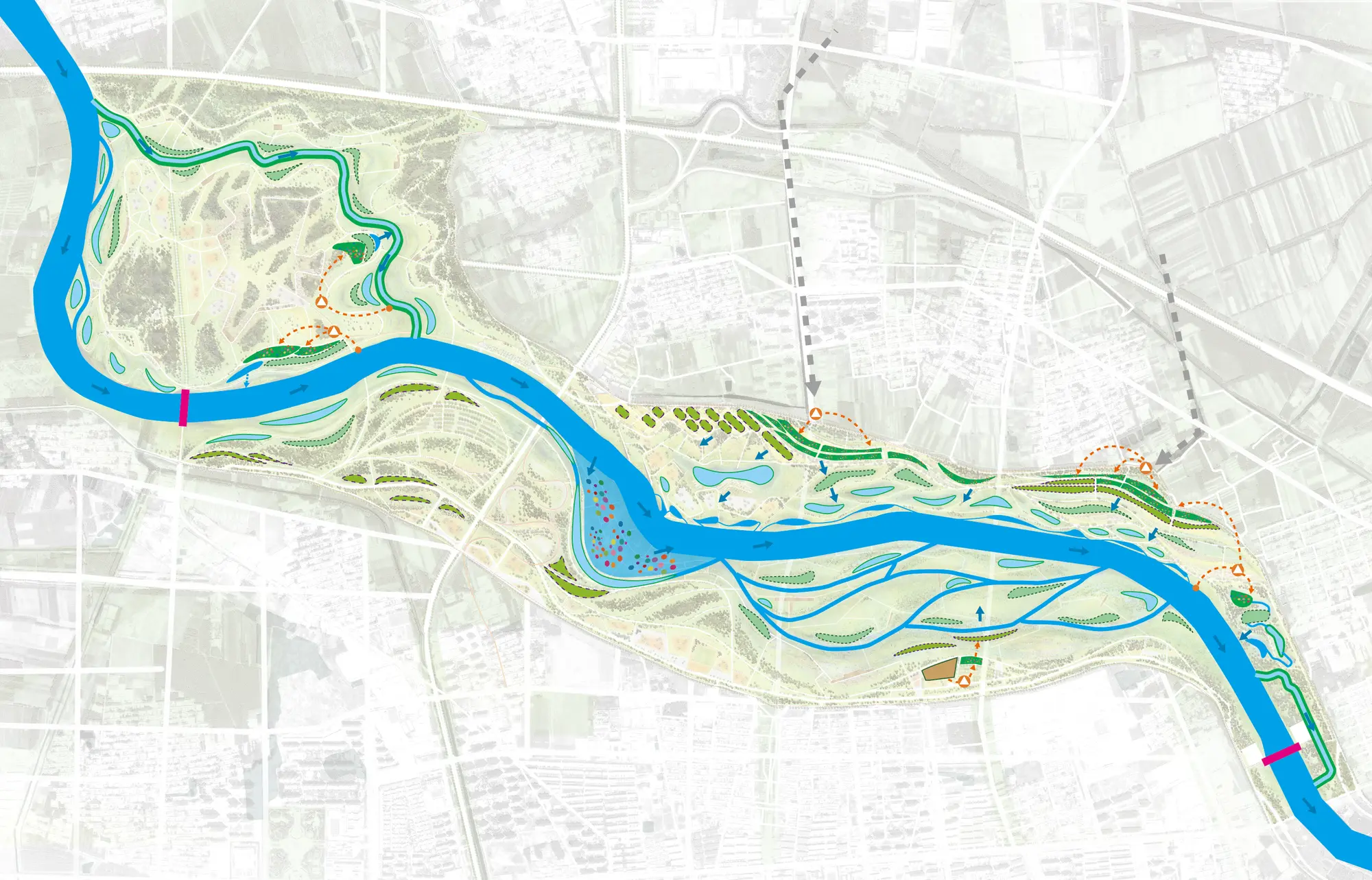
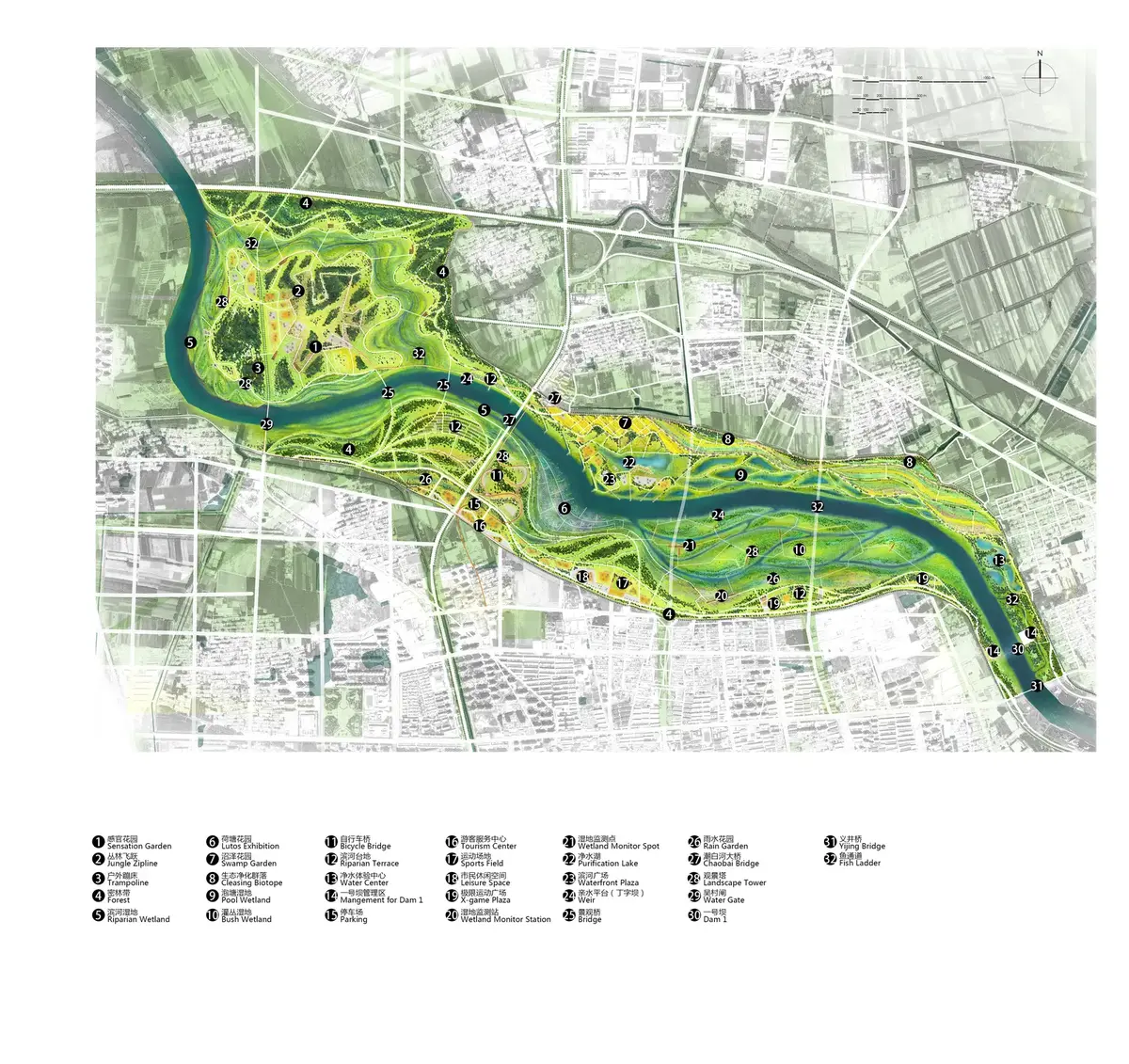
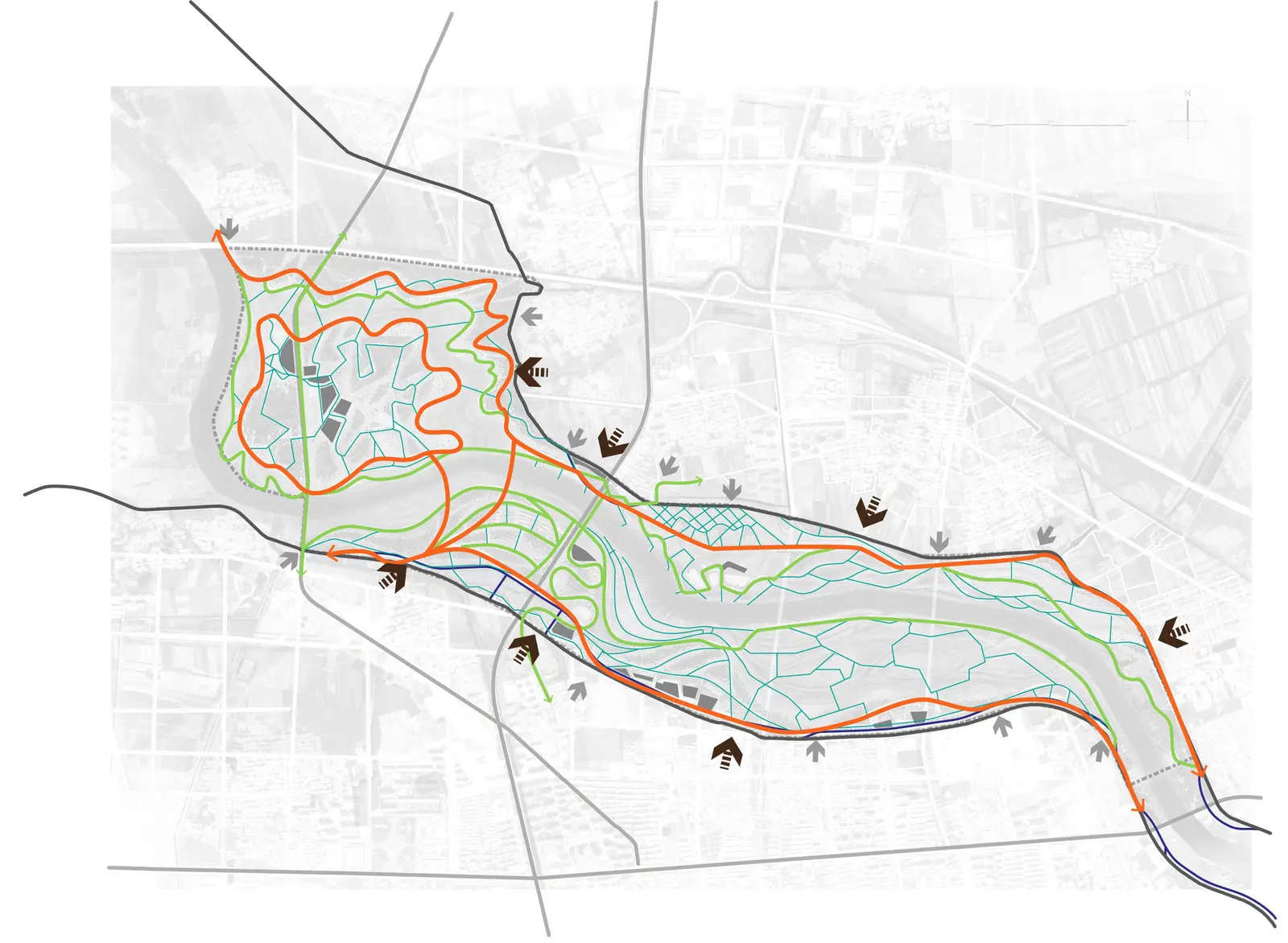
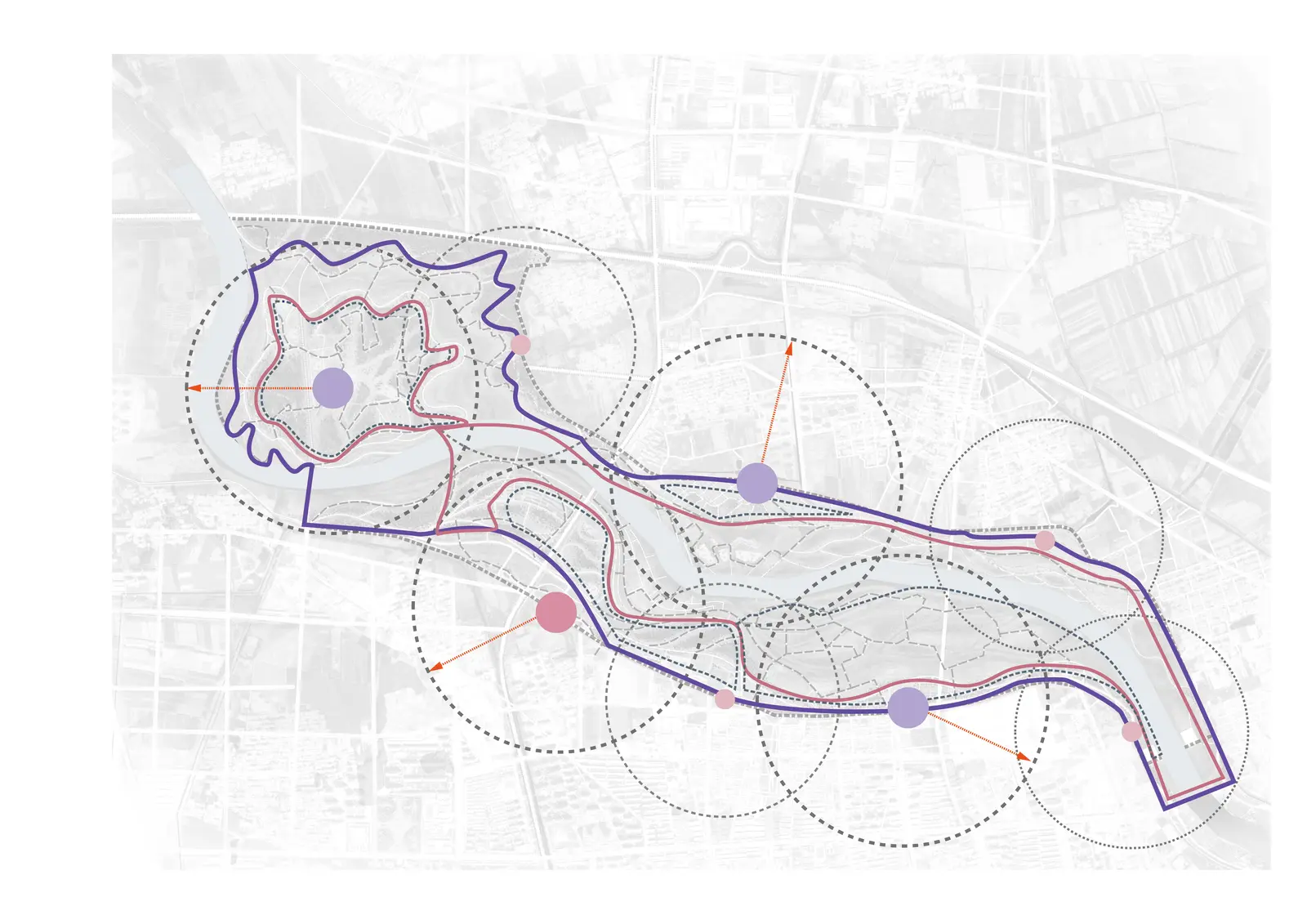
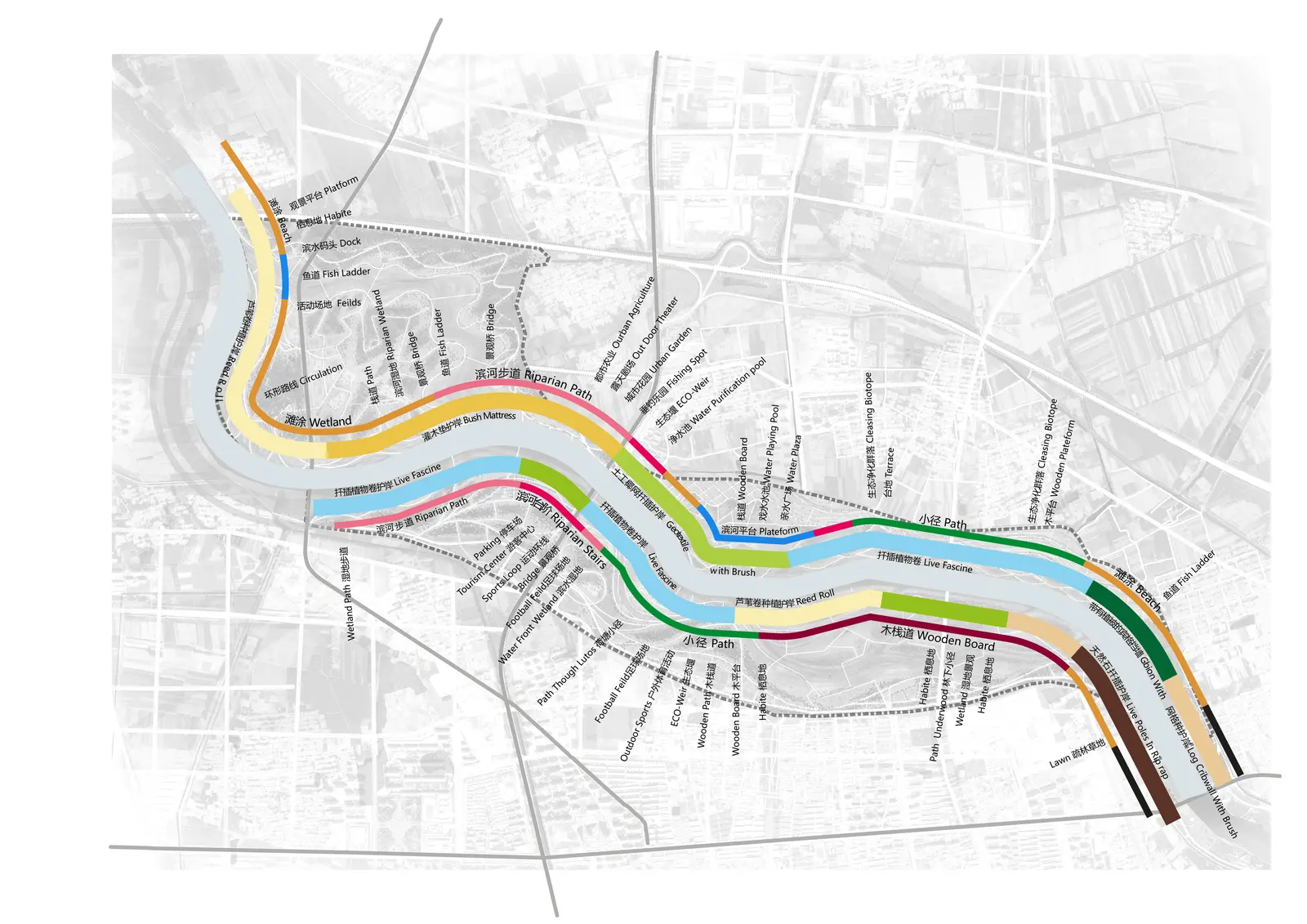
The masterplan organised the site around an Ecological Water Axis, supported by a City Activity Belt, a Water Cleansing Belt, and three complementary landscape cores dedicated to ecological restoration, nature experience and urban activity.
A Sponge City Landscape
Water formed the organising principle for every scale of the project.
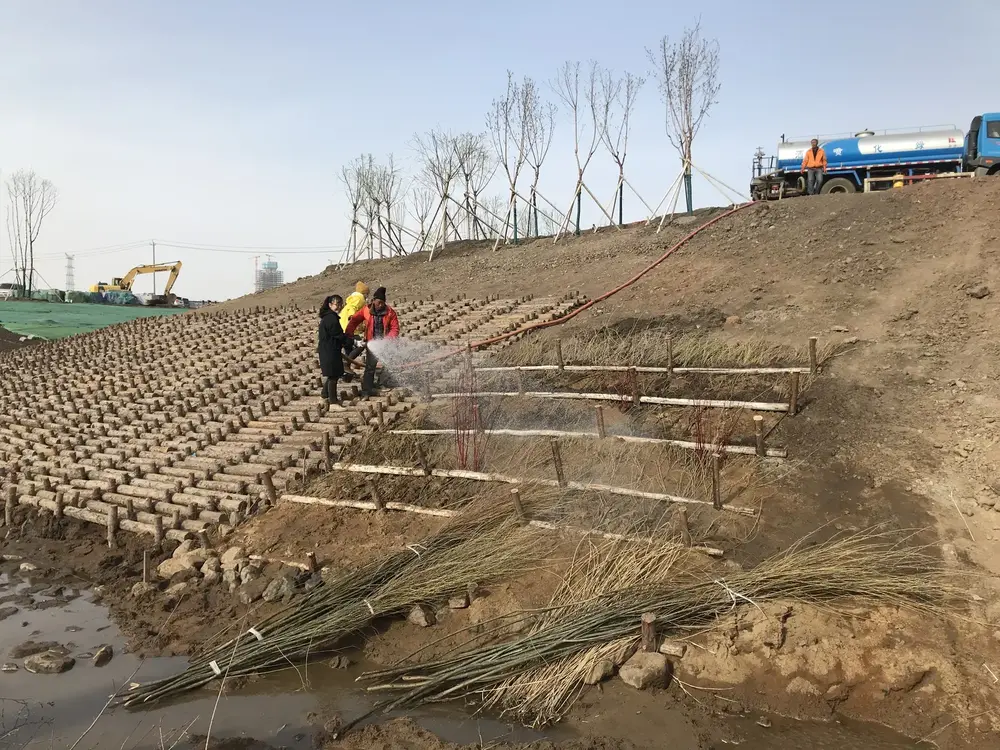
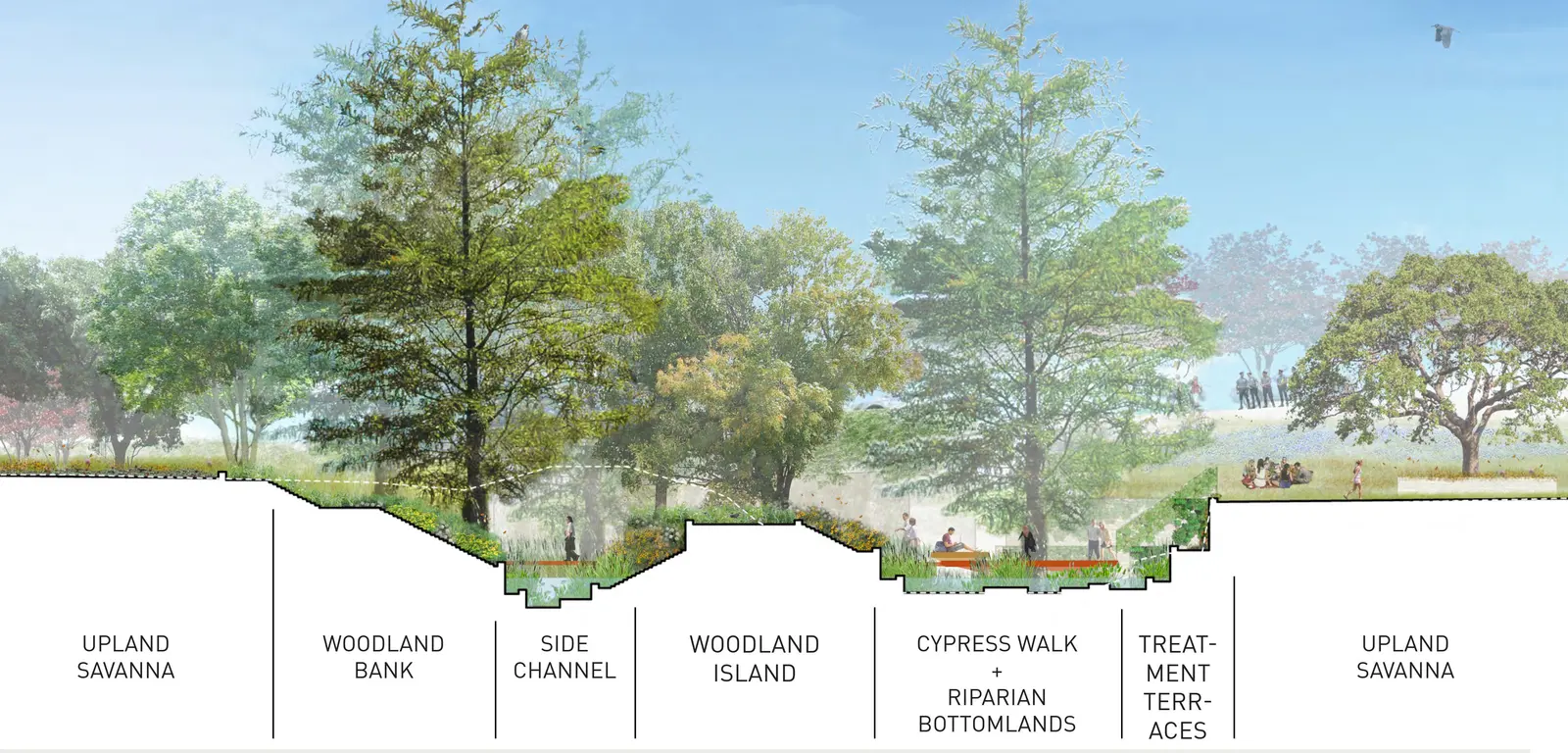
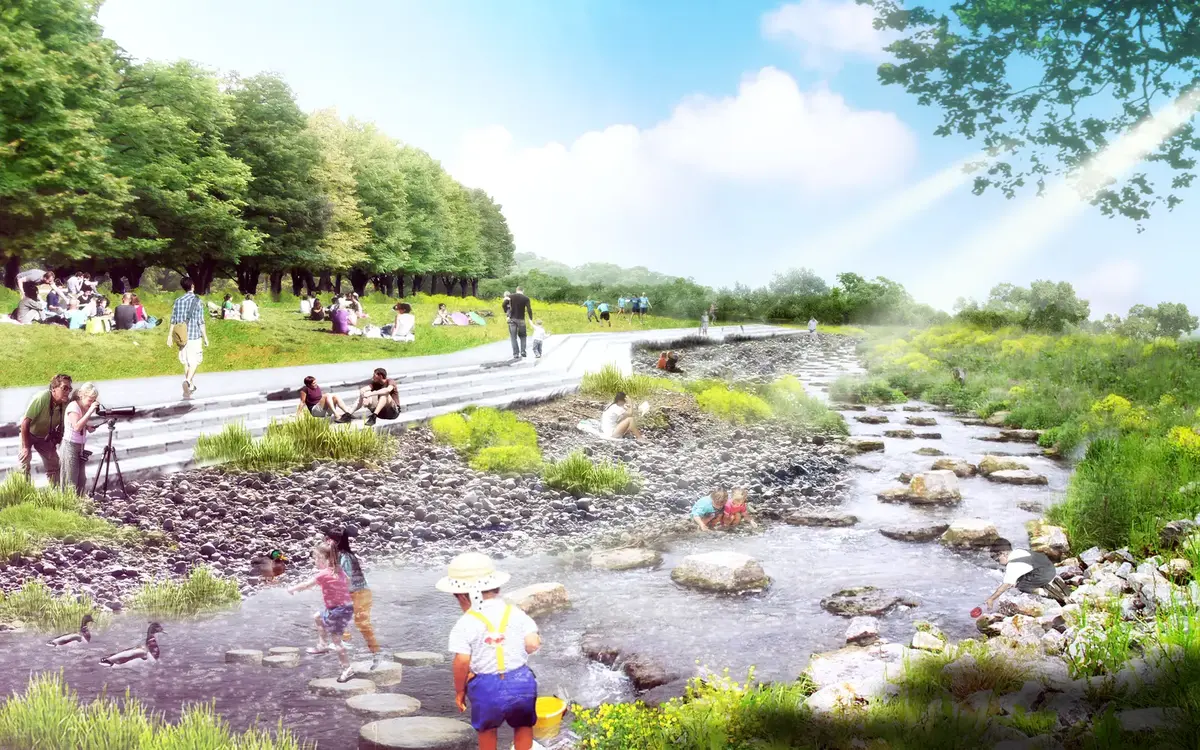
Extensive wetlands, floodplain restoration, bioengineered riverbanks, ecological planting systems and water-sensitive landscape typologies were developed to improve water retention, increase biodiversity and strengthen flood resilience while creating a continuous public landscape.
Hydrological analysis, flood modelling, shoreline typologies and sponge city strategies informed the spatial organisation of the masterplan, ensuring that ecological performance and public accessibility developed together rather than in conflict.
Rather than resisting water, the landscape was designed to work with natural river dynamics, creating a resilient system capable of adapting to changing environmental conditions over time.
Landscape as Metropolitan Infrastructure
Beyond ecological restoration, the proposal positioned the river corridor as the primary public landscape for the future city.
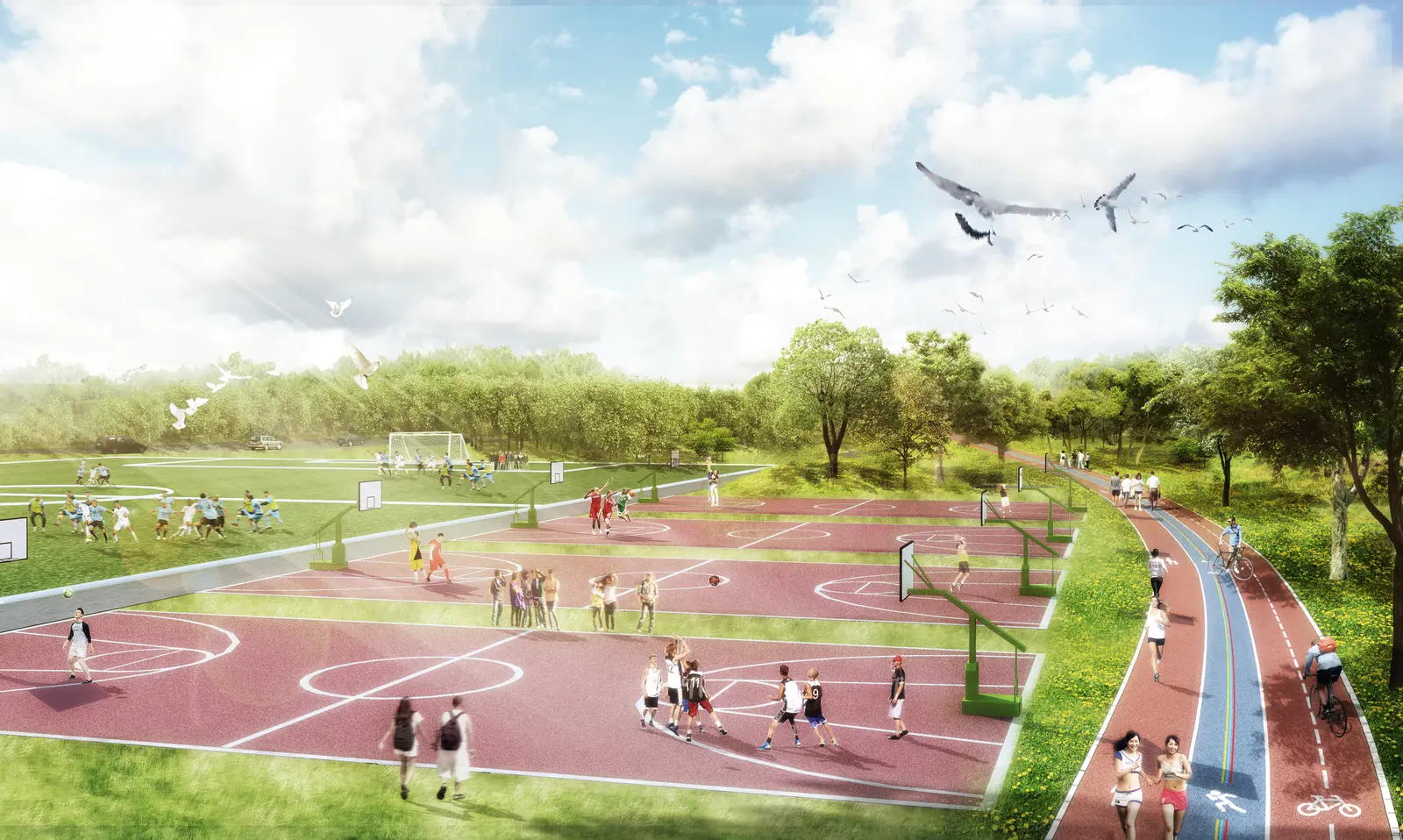
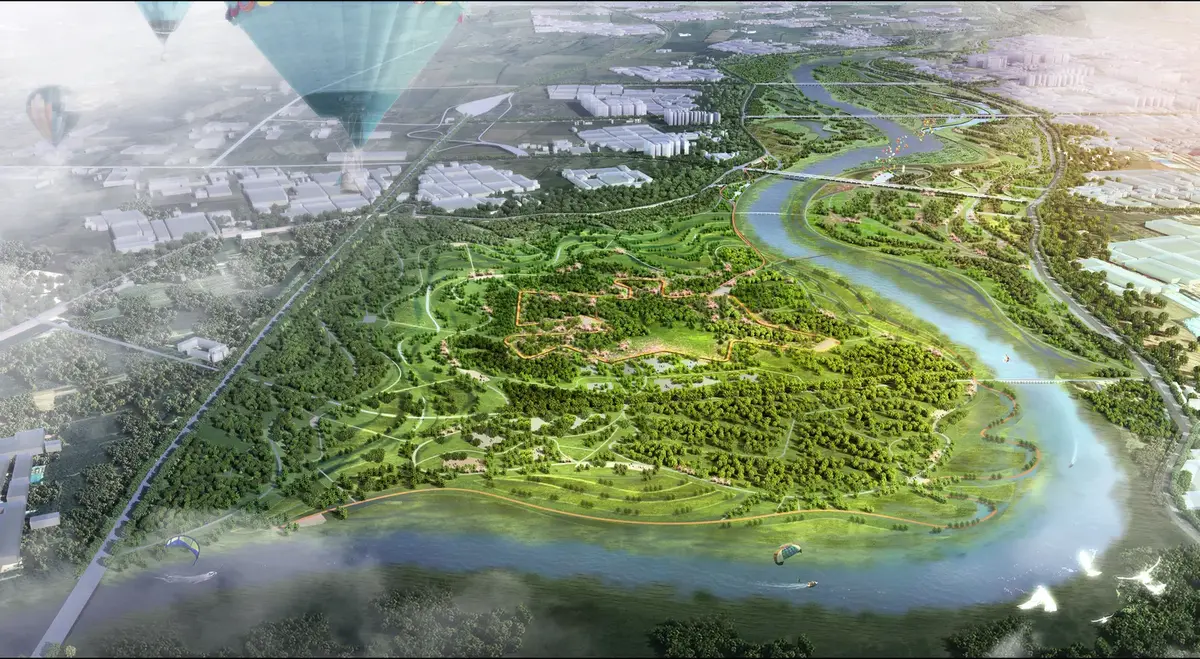
Five complementary landscape districts combined ecological conservation, environmental education, recreation, sport, cultural programming and public life within one continuous metropolitan park.
Educational wetlands, water purification landscapes, urban waterfronts, ecological forests, cultural destinations and recreational networks created a landscape capable of serving both everyday urban life and regional ecological systems simultaneously.
The project demonstrates how landscape architecture can become the organising infrastructure for climate adaptation, biodiversity, mobility and urban identity at the metropolitan scale.
My Contribution
As Project Manager and Lead Landscape Designer at Ramboll Studio Dreiseitl (today Henning Larsen Landscape), I led the competition project from concept development through the preparation of the final competition submission.
My responsibilities included:
- overall project management
- leadership of the landscape architecture design
- development of the landscape concept
- river restoration strategy
- wetland typologies
- sponge city strategies
- ecological infrastructure planning
- blue-green systems
- masterplan development
- shoreline typologies
- public-space design
- interdisciplinary coordination
- preparation of the competition submission
The project brought together hydrology, ecology, engineering and landscape architecture within one integrated design process. Leading this competition further strengthened my experience in river restoration, water-sensitive urban design and climate-adaptive landscape planning at the metropolitan scale.
Project Information
- Project
- Chaobai River & Wetland Park Design
- Project Type
- International Competition · River Restoration · Wetland Park · Ecological Infrastructure
- Client
- Xianghe Municipality, Hebei Province, China
- Landscape Architecture
- Ramboll Studio Dreiseitl (today Henning Larsen Landscape)
- Location
- Xianghe, Hebei Province, China
- Project Size
- 810 ha
- Award
- First Prize
- Project Phase
- International Competition
- Role
- Project Manager · Lead Landscape Designer · Landscape Consultant (Wetland Typologies & Sponge City Strategies)
Credits
All drawings, renderings and diagrams remain © Ramboll Studio Dreiseitl (today Henning Larsen Landscape).